
Category Archives: SEO

A Beginner’s Guide on How to Set Up SEO SEO-ready Website

Introduction

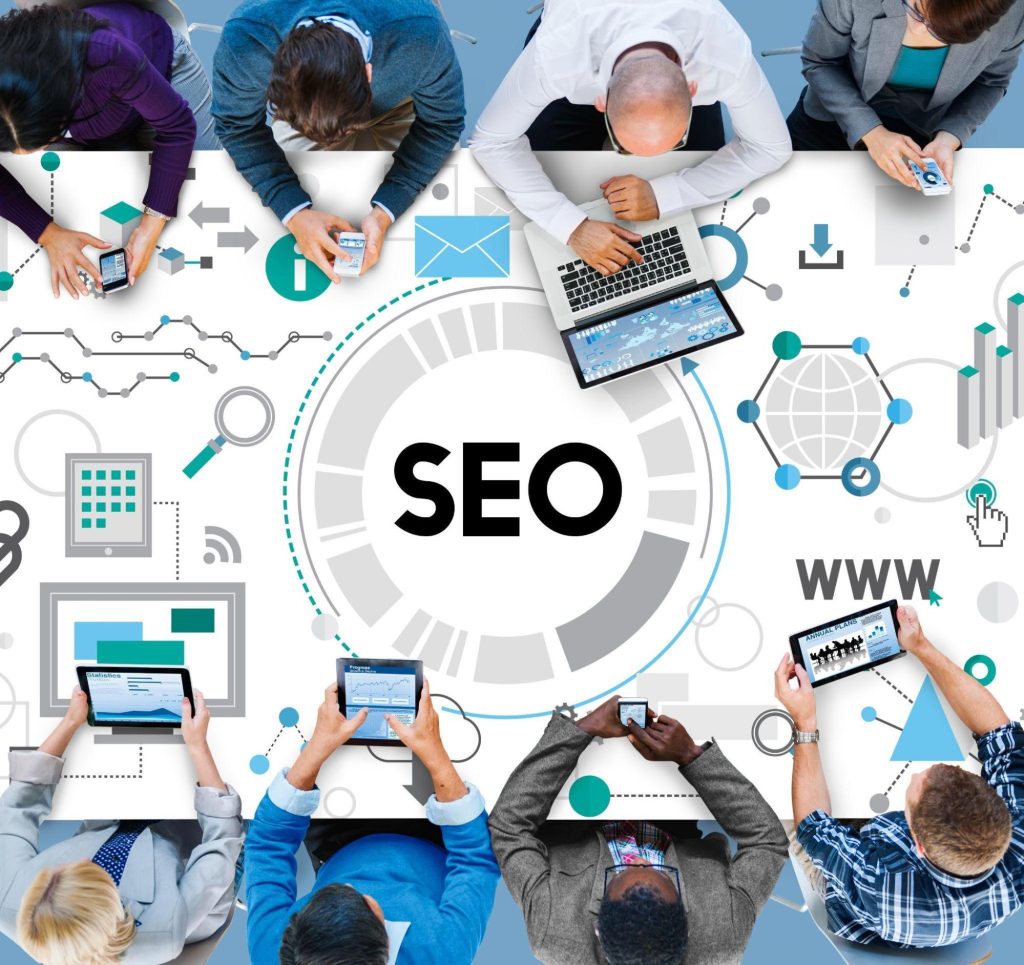
It is correctly stated that the most successful way of positioning your brand to have long-term online success is by constructing an SEO-ready site from the ground up. Rather than opting to think of search engine optimisation as an epiphany, it is better to inculcate concepts of SEO in the planning process so that your website is designed in such a way that your business is visible to as many people as possible. For more information, click on Optimized Pte Ltd. This article provides a general overview of how to set up an SEO-ready website.

Essential Tips on How to Set Up an SEO-Ready Website

Keyword and Market Research

Firstly, when it comes to any design or development work, one should start with thorough research on keywords. Determine search queries that your target market uses, their inquiries, and the kind of information they are interested in. In search of the opportunities of the keywords, tools such as Google Keyword Planner, Ahrefs, or SEMrush can be used. Planning the content structure of your website. Organise group keywords by search purpose: informational, navigational, or transactional.

Focus on Mobile-First Design

Google is currently focusing on mobile-first indexing, i.e., it is mostly ranking a mobile version of a web page. As such, it is necessary that your site be responsive and mobile-friendly to various screen sizes. Have a mobile-friendly interface, make buttons and forms easy to interact with, and make sure that the font size, spacing, and general readability are the same on all devices.

Clean and logical site architecture

A good SEO-friendly site relies a lot on the extent to which it has been planned. Establish a hierarchical structure of pages such that your homepage would be the first one, followed by category pages, subcategories, and pages of each content or product. This aids the search engines with crawling and comprehending your site in a more efficient way. Make URLs brief, descriptive, and relevant to your keyword strategy.

Strong user experience

User experience is closely related to modern SEO. Clean layout, quick load time, readable typography, user-friendly navigation, and quality content are all elements that enhance higher rankings. Keep your pages to the bare minimum, minimise annoying pop-ups, and make your pages so that people move through any activity with ease. The more accessible it is to users to attain their objectives, the higher your performance in search.

Conclusion

It is very important to make an SEO-friendly website to ensure long-term success and growth in the digital market; therefore, businesses should seek the services of the best SEO agency to achieve the best results.
Branding Expert Evan Tynan Explains Why All Businesses Need Good SEO

Most small business owners have heard of search engine optimization (SEO). However, about 70% still need an SEO strategy in place. Branding expert Evan Tynan explains why failure to pay attention to this all-important marketing tactic can have enormous ramifications for any small business. He also offers insight into simple yet effective ways any business owner can improve his or her SEO without spending a lot of money.

Over 80% of shoppers learn about a product online before making a purchase, Evan Tynan says. If consumers are still looking for a company online, they are likely to wait to buy it. The internet plays an all-important role in brand recognition, as consumers are more likely to purchase a brand they know about than an unfamiliar brand. At the same time, more is needed to have an online presence simply. The overwhelming majority of consumers won’t bother looking past the first page of search results, and the first three results on the page receive far more views than results further down the page. SEO boosts a business owner’s standing on Google, boosting brand recognition, website visits, and sales.

At the same time, Evan Tynan says general SEO differs from what most small business owners need. Instead, local outlets should focus on local SEO. This means boosting a business’s standing in search results related to one’s immediate area. For instance, a local restaurant specializing in selling seafood won’t benefit if people who don’t intend to visit the town see the restaurant’s website. However, it can benefit significantly if local people and people visiting the town can easily find the restaurant’s website. Tynan points out that it’s easy for a small business owner to improve local SEO. Some easy ways to do this include claiming a business’s Google My Business listing, adding a location page with a Google Map to the business website, creating local content, and using local keywords when creating PPC advertisements.

Evan Tynan explains that taking measures to boost a business’s local SEO will only sometimes show instant results. However, he accurately notes that it is a tried and proven way to boost a business long-term. A good rank on Google’s search engine will generate brand name recognition, boosting website traffic and sales. As a growing number of customers come to the business, they will tell others about the business on review sites and social media. This will generate even more brand name recognition and sales. Even a company that does not sell goods or services online would use SEO to its fullest potential, as it can lower marketing costs while increasing a company’s customer base.